

Tumbler vs. Water Bottle: What's Actually Different and How to Know Which One You Need
The confusion is understandable — and it matters more than you think
You're standing in front of a wall of drinkware, or scrolling through a product page, and you're looking at two things that both hold liquid and both have lids. One is taller and wider. One has a sport cap or a loop handle. Both claim to keep your drink cold. So what's actually different?
The honest answer: quite a lot. Tumblers and water bottles aren't just different shapes — they're designed around different habits, different environments, and different ways you reach for a drink throughout the day. Picking the wrong one doesn't ruin your life, but it does mean you're fighting your gear instead of relying on it.
Here's how to think through it clearly.
What a tumbler is actually built for
A tumbler is a wide-mouth, open-top vessel — usually double-walled — with a sliding or sip-through lid. The wide opening is the defining feature. It makes it easy to add ice, stir a drink, or switch between hot coffee in the morning and iced water by afternoon.
That same wide mouth is also why tumblers live on desks, car cup holders, and kitchen counters more than they live in backpack side pockets. They're not designed to be sealed and thrown in a bag. Most tumbler lids reduce splashing rather than prevent it entirely — they're spill-resistant, not leak-proof.
Where tumblers genuinely shine:
- At your desk. You're sipping regularly, not chugging. A wide mouth lets you drink without tipping your head back, which matters when you're in a meeting or focused on a screen.
- In the car. Most tumblers fit standard cup holders and are easy to grab one-handed while keeping an eye on the road.
- Hot drinks. The wide mouth and double-wall insulation make tumblers well-suited for coffee and tea — and unlike a narrow bottle, you can actually smell your coffee as you drink it.
- Casual, stationary use. If you're not moving fast, a tumbler is comfortable and easy to use.
What a water bottle is actually built for
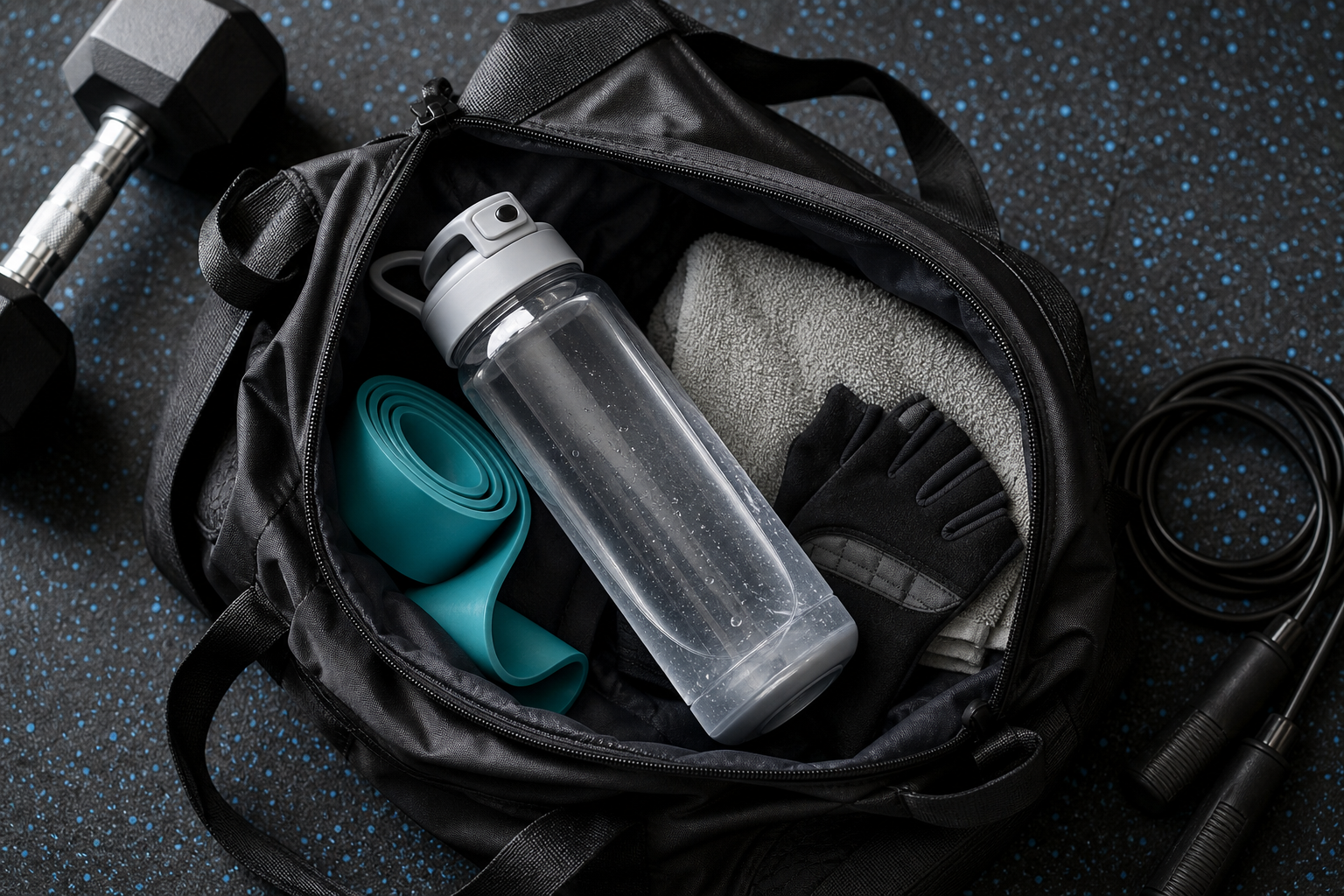
A water bottle is narrower, lighter, and — crucially — designed to be sealed. The cap, whether it's a screw-top, a sport cap, or a flip-top, creates a genuine seal. That means you can toss it in a gym bag, a hiking pack, or a tote without worrying about what you'll find at the bottom.
The narrower profile also makes it easier to grip mid-run, clip to a carabiner, or slide into a side pocket without it falling out. These aren't aesthetic choices — they're functional ones built around the reality of being in motion.
Where a water bottle is the clear winner:
- Workouts and runs. You need one hand free, a secure seal, and a bottle that won't shift around in a bag or holder.
- Outdoor activities. Hiking, cycling, travel — anywhere you're moving through different environments and need reliable containment.
- Commuting on foot or by bike. A sealed bottle in a bag is a non-negotiable. A tumbler in the same bag is a risk.
- Staying hydrated on a schedule. A marked water bottle with volume indicators (when available) helps you track intake across the day — something a tumbler rarely offers.
The one real overlap — and where people get it wrong
Both formats keep drinks cold. Both are reusable. Both can be made from the same materials. That's where the confusion starts, and where people end up buying a tumbler thinking it'll work like a bottle, or vice versa.
The most common mistake: buying a tumbler because it looks more premium or holds more volume, then being frustrated that it doesn't seal properly for a gym bag. Or buying a narrow-mouth bottle for the office and finding it awkward to drink from at a desk all day.
The right question isn't "which one looks better" — it's "where does this drink live?" If the answer is on a surface near you, a tumbler is probably right. If the answer is in a bag or in your hand while you move, a bottle is the better call.
What Clean Hydration Co. offers across both formats
Clean Bottle — now The Clean Hydration Company — has built its lineup around one persistent problem with reusable drinkware: it gets grimy fast, and most bottles are hard to clean properly. Their patented removable-bottom design addresses that directly, letting you clean the full interior without the usual struggle of a long brush through a narrow opening.
That design philosophy applies across their range, whether you're looking at a wide-mouth tumbler for your morning commute or a sport bottle for the gym. The format changes; the commitment to a bottle you can actually keep clean doesn't.
If you're deciding between formats and want to see both side by side, their full lineup at cleanbottle.com makes it easy to compare. For a broader look at what to prioritize when choosing any reusable bottle, the guide on how to choose the best reusable water bottle for every adventure is a solid next read.
A quick way to decide right now
Answer these three questions:
- Will this drink be in a bag at any point? If yes, get a bottle with a sealed cap.
- Is this primarily for hot drinks or slow sipping at a desk? If yes, a tumbler is more comfortable.
- Are you active — gym, cycling, hiking, running? A bottle, every time.
If you answered "yes" to more than one, think about which scenario you're in most often. Most people genuinely need both — a tumbler for the desk and a bottle for the bag — but if you're buying one, let your dominant habit decide.
Not sure which fits your routine? Browse the full Clean Hydration lineup at cleanbottle.com and filter by how you actually use it.
Frequently Asked Questions
Can I use a tumbler at the gym instead of a water bottle?
You can, but it's not ideal. Most tumblers aren't designed to seal completely, so carrying one in a gym bag or setting it down on a bench between sets risks spills. If your gym routine involves a locker or a stable surface nearby, a tumbler can work. If you're moving between machines or going for a run, a sealed sport bottle is the safer and more practical choice.
Are tumblers better than water bottles for keeping drinks cold?
Not necessarily — insulation performance depends on the materials and construction, not the format. Both double-walled tumblers and double-walled bottles can maintain temperature effectively. The difference is in usability: a tumbler's wide mouth makes it easier to add ice, while a bottle's sealed cap keeps contents contained when you're on the move.
What makes a water bottle easier to clean than a tumbler?
Ironically, narrow-mouth bottles are often harder to clean thoroughly than wide-mouth tumblers — a brush can reach inside a wide tumbler more easily. That said, any bottle with a complex lid, straw system, or narrow body can trap residue and develop odors over time. Designs with removable components, like Clean Bottle's removable-bottom bottles, solve this by giving you full access to the interior from both ends.
Is it worth owning both a tumbler and a water bottle?
For most people, yes — but only if you actually use both. A tumbler at your desk and a bottle in your gym bag is a practical combination that covers the two most common hydration contexts. If your life is mostly sedentary or mostly active, one format probably covers you well enough. The key is matching the vessel to the habit, not accumulating drinkware for its own sake.